
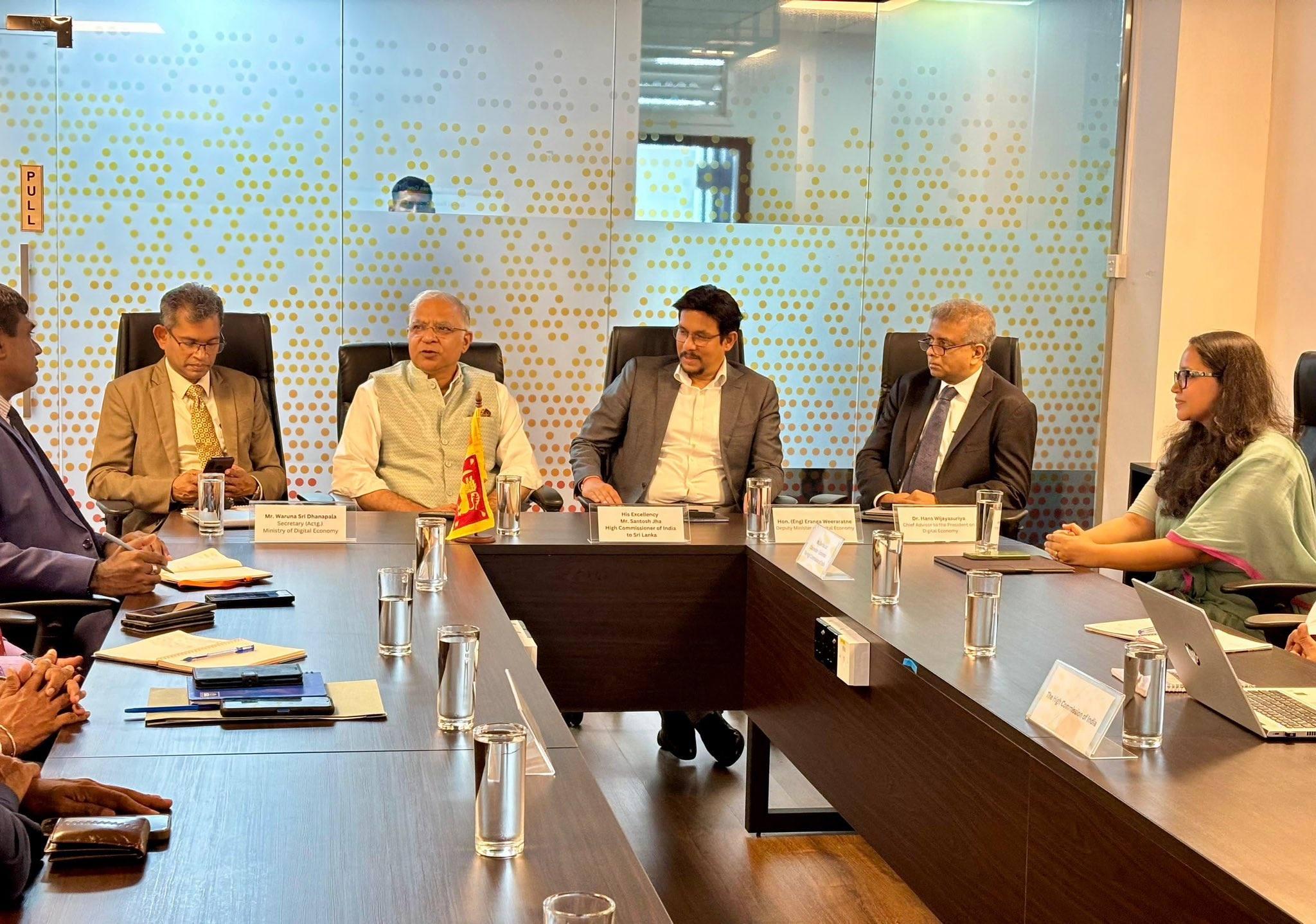
Colombo, Sri Lanka – October 10, 2026
Sri Lanka and India have held their first bilateral cybersecurity consultations in Colombo, focusing on strengthening digital security, improving cyber threat detection and response, and expanding cooperation in emerging technologies such as artificial intelligence (AI).
The consultations took place during a visit by a senior Indian delegation on October 5–6, 2026, as part of the two countries’ broader partnership in digitalisation and technology. The discussions brought together government officials and cybersecurity specialists to explore ways to strengthen national cyber resilience and protect critical digital systems.
According to a statement issued by the High Commission of India in Colombo, the discussions covered cybersecurity governance, AI-related security challenges, information sharing, technical capacity building and cyber incident response.
Indian Delegation Meets Sri Lanka’s Digital Economy Officials
The Indian delegation included Dr. Sanjay Bahl, Director General of the Indian Computer Emergency Response Team (CERT-In), and Amit Shukla, Joint Secretary for Cyber Diplomacy at India’s Ministry of External Affairs.
During the visit, the delegation met Eranga Weeraratne, Sri Lanka’s Deputy Minister of Digital Economy, to discuss cybersecurity governance frameworks and the growing security challenges associated with artificial intelligence.
The discussions also highlighted the importance of exchanging cyber threat assessments and sharing best practices developed through CERT-In, particularly in areas such as technical training, institutional capacity building and incident response.
Greater cooperation in these areas could help both countries improve their preparedness for cyber incidents and strengthen their ability to respond to evolving digital threats.
Strengthening Sri Lanka’s Cybersecurity Capabilities
As government services, businesses and financial institutions increasingly depend on digital platforms, cybersecurity has become an important priority for Sri Lanka.
Cyberattacks can disrupt essential services, compromise sensitive information, affect business operations and undermine public confidence in digital systems. Effective cybersecurity therefore requires not only advanced technology but also skilled professionals, coordinated institutions and clear governance frameworks.
The consultations provided an opportunity to explore how India’s operational experience and technical expertise could support knowledge sharing and strengthen Sri Lanka’s cybersecurity capabilities.
Potential areas of cooperation include improving threat analysis, developing technical expertise, sharing operational best practices and enhancing preparedness for cyber emergencies.
Cybersecurity Cooperation for a Safer Financial System
The Indian delegation also met Anil Jayantha Fernando, Minister of Labour and Deputy Minister of Finance and Planning.
The discussions focused on cybersecurity cooperation in the context of a shared objective: maintaining a secure financial system and strengthening the resilience of the digital economy.
Banks, payment platforms and other financial services increasingly rely on interconnected digital infrastructure. Protecting these systems against cyber threats is essential to maintaining service continuity, safeguarding customer information and supporting confidence in electronic transactions.
Stronger cooperation between the two countries could help build institutional knowledge and improve preparedness for cybersecurity incidents affecting financial and other critical digital services.
Sri Lanka CERT and India Explore Further Collaboration
Detailed discussions were also held with Thilak Pathirage, Chairman of Sri Lanka CERT, and Dr. Kanishka Karunasena, Chief Executive Officer of Sri Lanka CERT.
The discussions explored potential collaboration in knowledge exchange, capacity building, cyber crisis management and the development of national-level strategies relating to artificial intelligence and quantum computing.
Sri Lanka CERT plays an important role in supporting cybersecurity awareness and responding to cyber incidents in the country. Cooperation with international cybersecurity organisations can help strengthen technical capabilities and improve the exchange of expertise needed to address increasingly sophisticated threats.
The two sides also discussed emerging technologies that could have significant implications for future cybersecurity planning. While AI can help organisations detect and analyse threats, it can also be misused to develop more convincing scams, automate attacks and exploit weaknesses in digital systems.
Quantum computing is another area receiving attention because future advances could affect existing encryption methods and require organisations to prepare for new security challenges.
AI and the Future of Digital Security
Artificial intelligence is transforming how organisations manage information, deliver services and protect their digital infrastructure. However, the rapid adoption of AI also creates new challenges for cybersecurity professionals and policymakers.
AI-assisted threat assessment, automated monitoring and improved incident analysis could help security teams identify suspicious activity more efficiently. At the same time, organisations must prepare for cybercriminals who use emerging technologies to improve their attacks.
Cooperation between Sri Lanka and India could support the exchange of knowledge and best practices as both countries continue to develop their digital economies.
Strengthening Bilateral Technology Relations
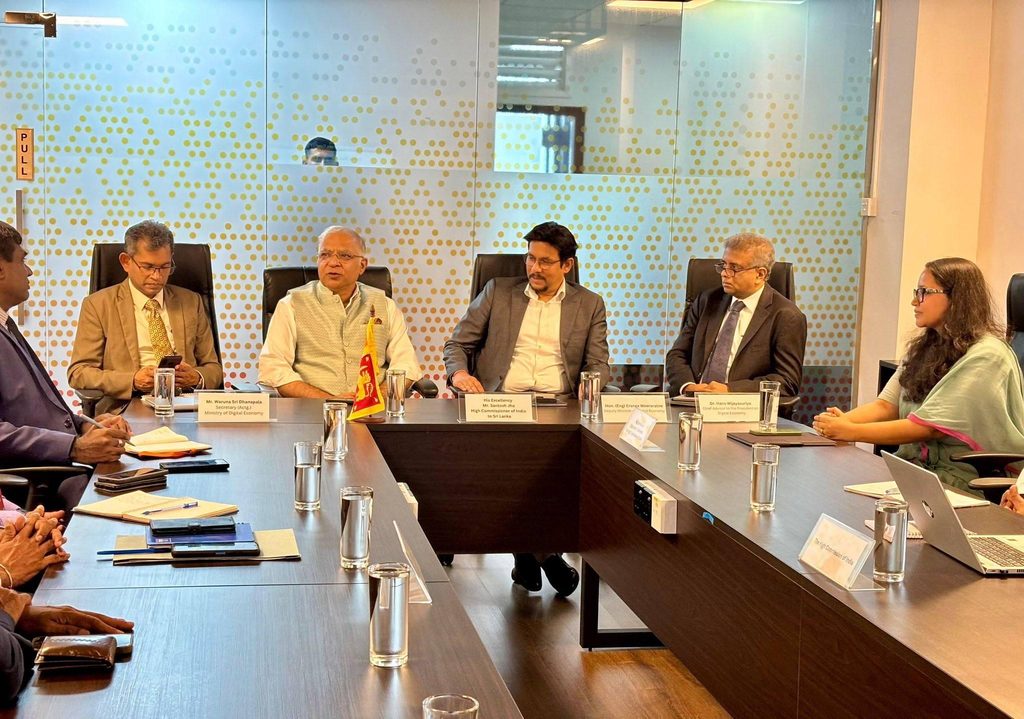
The consultations represent another step in the growing technology partnership between Sri Lanka and India. Beyond traditional areas of economic cooperation, digitalisation and cybersecurity are becoming increasingly important to regional connectivity, financial stability and business development.
For Sri Lanka, strengthening cyber resilience will be essential as more public services, businesses and financial transactions move online. International cooperation, technical expertise and investment in cybersecurity skills will remain important elements of this process.
Although the consultations identified several potential areas for collaboration, the official announcement did not specify a signed agreement or implementation timetable.
The discussions nevertheless highlight the importance of closer regional cooperation in protecting digital infrastructure and preparing for emerging cybersecurity challenges.
Source: High Commission of India in Colombo.