6 October 2026 | Business & Tourism | By YooHops News Desk
Sri Lanka’s tourism industry has surpassed 1.7 million international tourist arrivals in 2026, marking an important milestone for the country’s travel and hospitality sector. However, the latest figures indicate that arrivals remain slightly below the level recorded during the corresponding period in 2025, highlighting the challenges facing the industry as it enters the peak winter tourism season.
According to the latest data released by the Sri Lanka Tourism Development Authority (SLTDA), the country welcomed 23,349 tourists between October 1 and October 4, bringing cumulative arrivals for 2026 to 1,717,028. The country recorded an average of approximately 5,837 tourist arrivals per day during the opening four days of October.
Despite crossing the 1.7 million mark, arrivals during the first four days of October declined by 5.5% compared with the corresponding period last year. The cumulative figure also remained approximately 2% below the 1.75 million arrivals recorded during the equivalent period in 2025. https://www.ft.lk/business/Tourism-crosses-1-7-m-arrivals-but-remains-behind-2025-pace/34-798240
India Remains Sri Lanka’s Largest Tourism Market
India continued to be Sri Lanka’s leading source market for international visitors. During the first four days of October, the country welcomed 10,062 Indian tourists, accounting for approximately 43% of total arrivals during that period.
China ranked second with 2,128 arrivals, followed by Australia with 1,266 visitors.
Year-to-date figures also demonstrate the importance of the Indian market. India accounted for 447,476 arrivals in 2026, followed by the United Kingdom with 161,886 visitors and China with 114,678 arrivals. These markets remain important to Sri Lanka’s efforts to sustain international visitor demand and diversify tourism revenue.
The continued contribution of regional markets, particularly India, provides opportunities for tour operators, hotels, airlines and destination management companies to develop targeted travel packages and promotional campaigns.
Tourism Remains a Key Contributor to the Economy
Tourism plays an important role in Sri Lanka’s economy by generating foreign exchange and supporting employment across a wide range of industries. The sector benefits not only hotels and resorts but also restaurants, transport providers, travel agencies, tour guides, small businesses and local communities.
International visitors contribute to economic activity through accommodation, dining, shopping, transportation, wildlife excursions, cultural experiences and other tourism-related services.
Destinations such as Colombo, Galle, Ella, Kandy, Sigiriya, Nuwara Eliya, Mirissa and Trincomalee continue to offer opportunities for businesses targeting different visitor segments, from cultural and adventure travellers to beach holidaymakers and luxury tourists.
However, the latest arrival figures alone do not provide a complete picture of tourism performance. Visitor spending, average length of stay, hotel occupancy and tourism earnings are also important indicators of the sector’s overall economic contribution.
Industry Faces Challenges Despite Growth Potential
Although Sri Lanka has exceeded 1.7 million arrivals, remaining behind the previous year’s pace raises questions about the industry’s ability to achieve its annual targets.
International travel conditions, regional disruptions, airline connectivity, competition from other destinations and changing traveller preferences can all influence demand.
Tourism businesses must also focus on service quality, value for money, destination marketing and the development of experiences that encourage visitors to stay longer and spend more.
Expanding tourism beyond established destinations could help distribute economic benefits more widely. Investment in infrastructure, accommodation, transport links and community-based tourism could create new opportunities in less-visited areas while supporting local employment.
Winter Season Offers Fresh Opportunities
The winter season is an important period for Sri Lanka’s tourism industry, particularly for attracting visitors from European markets and other regions seeking warm-weather holidays.
Tour operators, hotels and travel companies have opportunities to strengthen promotional campaigns, develop seasonal packages and improve international market reach. Digital marketing, partnerships with overseas travel agencies and targeted campaigns can also help Sri Lanka compete with other popular holiday destinations.
For sustained growth, industry stakeholders will need to balance increasing visitor numbers with higher tourism earnings, environmental protection and better experiences for travellers.
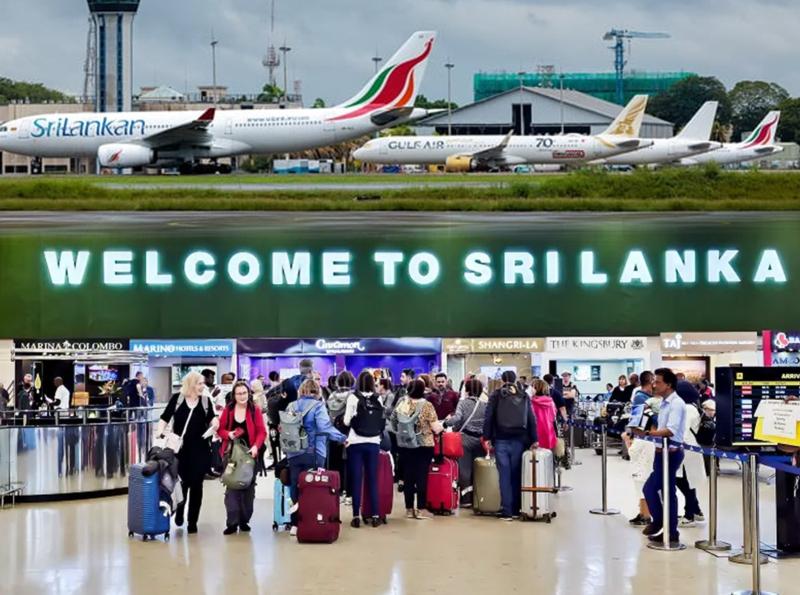
Outlook for Sri Lanka Tourism
Crossing 1.7 million tourist arrivals represents a significant milestone, but the latest figures underline the importance of maintaining momentum during the remaining months of 2026.
The sector’s performance will depend on its ability to attract visitors from key source markets, improve the overall visitor experience and convert international demand into stronger economic benefits for businesses and communities.
As Sri Lanka enters the winter tourism season, the focus will be on strengthening its position as a competitive destination while ensuring that tourism growth delivers lasting value to the national economy.
Source: Sri Lanka Tourism Development Authority (SLTDA); Daily FT.